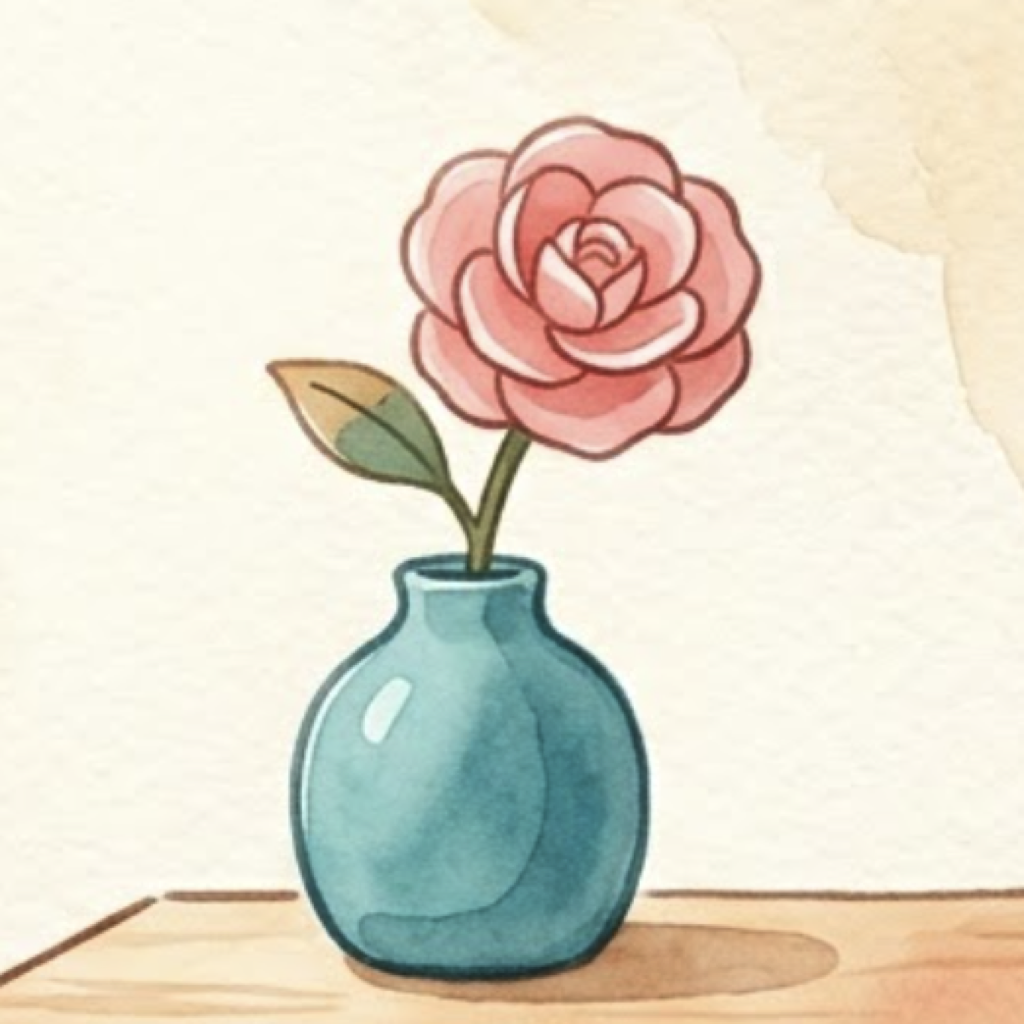
Dianthus caryophyllus
Carnation Meaning by Color: The Most Underrated Flower in the Shop
April 26, 2026 · 3 min read
The carnation has an image problem it doesn't deserve. Because it's inexpensive and lasts two weeks in a vase, it gets filed as the filler of the flower shop — the bloom of gas-station bouquets. But its Latin name is dianthus: the flower of the gods, from the Greek dios (divine) and anthos (flower). It has more distinct color meanings than any bloom except the rose, and one of the oldest résumés in floristry — carnations appear in Greek and Roman garlands two thousand years back.
Cheap and divine at once. Let's restore the reputation.
The core meanings
Across all colors, the carnation stands for fascination, distinction, and love that endures — its ruffled petals last absurdly long for a cut flower, and the symbolism followed the shelf life. It's the birth flower of January (the full birth-flower calendar is here) and the flower of first wedding anniversaries: young love expected to last.
Meaning by color
This is where the carnation earns its keep — the color changes the sentence more than in almost any other flower:
- Pink — a mother's undying love. The most storied shade: Christian legend says pink carnations first bloomed where Mary's tears fell on the road to Calvary. This is why carnations are the official flower of Mother's Day — Anna Jarvis, who founded the holiday in 1908, chose white carnations, her own mother's favorite, and the tradition expanded from there: colored carnations to honor a living mother, white in memory of one gone.
- Red — deep love and admiration. Light red leans admiration; dark red says the full thing. A red carnation bouquet is a red-rose message with better endurance.
- White — pure love, good luck, and remembrance. The sweetest use: good luck as you go.
- Purple — capriciousness, in the old dictionaries — moodiness, changeability. In France, purple carnations are traditional funeral flowers, so gift with awareness.
- Yellow — the warning label: disappointment and rejection. The Victorians used a yellow carnation to answer a suitor with a no. Unless you intend the Victorian no, choose another yellow flower.
- Striped — the most specific message in floriography: I cannot be with you, though I wish I could. Refusal, with regret. An entire breakup letter in one variegated bloom.
Few flowers let you say I love you, good luck, I'm sorry, and it's over with nothing but a color chart. Handle accordingly.
A political flower, quietly
The carnation keeps ending up pinned to history. Oscar Wilde and his circle wore green-dyed carnations as a discreet emblem. Portugal's 1974 revolution is named the Carnation Revolution because citizens pushed red carnations into soldiers' rifle barrels — the coup that overthrew a dictatorship without a shot, decorated by a two-dollar flower. In several countries a red carnation on May Day honors workers; in Ohio it honors William McKinley, who wore one for luck.
For a bloom dismissed as cheap, it has an unusual habit of standing for the biggest things: mothers, luck, revolutions.
When to give carnations
- Mother's Day — pink or red for living mothers, white in remembrance; the original tradition, still correct.
- A first anniversary — its official assignment.
- A January birthday — with the meaning written on the card.
- When flowers need to survive the week — carnations outlast nearly everything in the vase; our guide to making flowers last barely applies to them.
The carnation's lesson — modest price, divine name — suits Bloomette, our little hand-painted flower studio where every bloom carries its story. Free on iPhone, no ads; the Flower Corner is open.