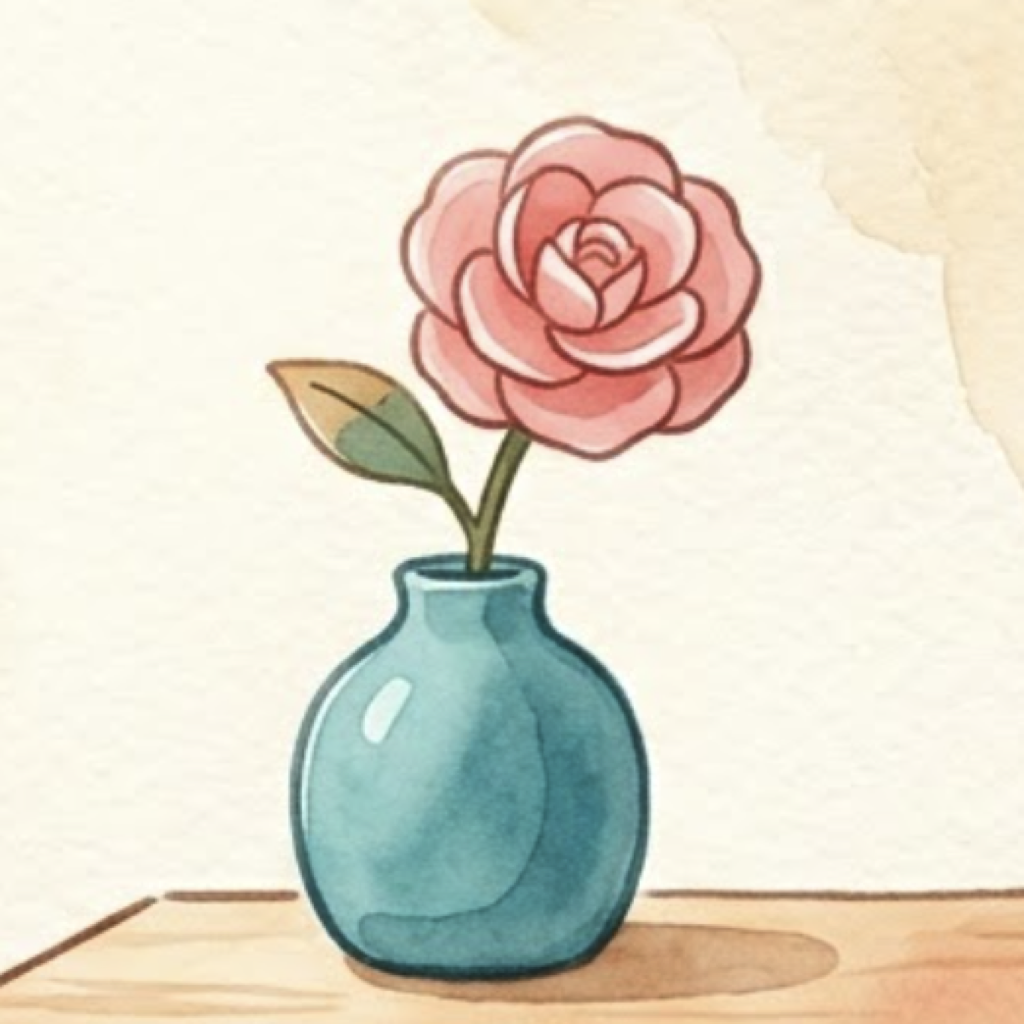
a year in bloom
Birth Month Flowers: The Complete Guide, January to December
May 17, 2026 · 3 min read
Everyone knows their birthstone; far fewer know they have a flower. The tradition of birth month flowers runs on the same logic as the zodiac — each month gets a bloom, the bloom gets a personality — and it makes the single most reliable flower-gifting system there is. Forget guessing what someone likes: their birthday already decided.
Here's the full calendar, with what each flower means.
January — Carnation
The flower that shrugs at winter. Carnations mean fascination and deep love, with the shade adjusting the message — pink for gratitude, red for admiration, white for luck. January's second flower, the snowdrop, adds hope: the first thing to bloom through actual snow.
February — Violet
Not the rose, surprisingly. The violet means modesty, faithfulness, and quiet loyalty — Valentine's month belongs to a small purple flower that hides under its own leaves. The Victorians loved it precisely for that discretion.
March — Daffodil
New beginnings and rebirth, no contest — the daffodil is spring's opening line. One caution from the old dictionaries: give a bunch, never a single stem, which was said to foretell misfortune. Abundance is the whole point of daffodils anyway.
April — Daisy
Innocence and cheerful simplicity. The daisy is the flower of loyal love without complications — the one whose petals answer loves me, loves me not. April's companion flower, the sweet pea, adds blissful pleasure and goodbyes said kindly.
May — Lily of the Valley
The sweetest meaning in the calendar: the return of happiness. In France, May 1st is la fête du muguet, when sprigs are given to everyone you love for luck. Tiny, fragrant, poisonous — handle with the respect small perfect things deserve.
June — Rose
June gets the headliner. Love in every dialect, with color as grammar — we've mapped the whole vocabulary in our rose color guide. June's second flower, honeysuckle, means the bonds of love — sweetness that holds on.
July — Larkspur (Delphinium)
Tall spires of blue and violet meaning lightness, levity, and an open heart. July also claims the water lily — enlightenment and purity rising from murky beginnings, the lotus's northern cousin.
August — Gladiolus
From the Latin for "little sword" (the leaves), the gladiolus means strength of character, integrity, and remembrance. Roman crowds supposedly showered victorious gladiators with them. A spine of a flower for a high-summer month.
September — Aster
Star-shaped and late-blooming, the aster means wisdom, patience, and love that took its time. Legend says asters grew where the goddess Astraea's tears fell — stars, planted.
October — Marigold
The sun, pocket-sized — warmth, creativity, and fierce devotion. Marigolds garland weddings across India and light the way home on Día de los Muertos. They also hold a place on our list of flowers that mean luck and prosperity.
November — Chrysanthemum
Longevity, loyalty, and honesty — the flower that stays golden into frost. One footnote for travelers: in parts of Europe chrysanthemums are strictly funeral flowers, so November babies abroad should receive them thoughtfully.
December — Narcissus (Paperwhite)
The paperwhite narcissus closes the year meaning hope, good wishes, and faithfulness — a winter-forced bloom that flowers indoors while everything outside sleeps. Holly, December's companion, adds domestic happiness.
How to use this
The birth flower solves three problems at once: it's personal without being presumptuous, it comes with a built-in card message (the meaning is the message), and it works for people who already own everything. Pair the bloom with its meaning written on the tag, and the bouquet explains itself.
Collecting flowers month by month is more or less the pleasure Bloomette is built around — a hand-painted Flower Corner that fills in one discovered bloom at a time, each with its meaning and folklore. Free on iPhone; the flowers of the day are waiting.