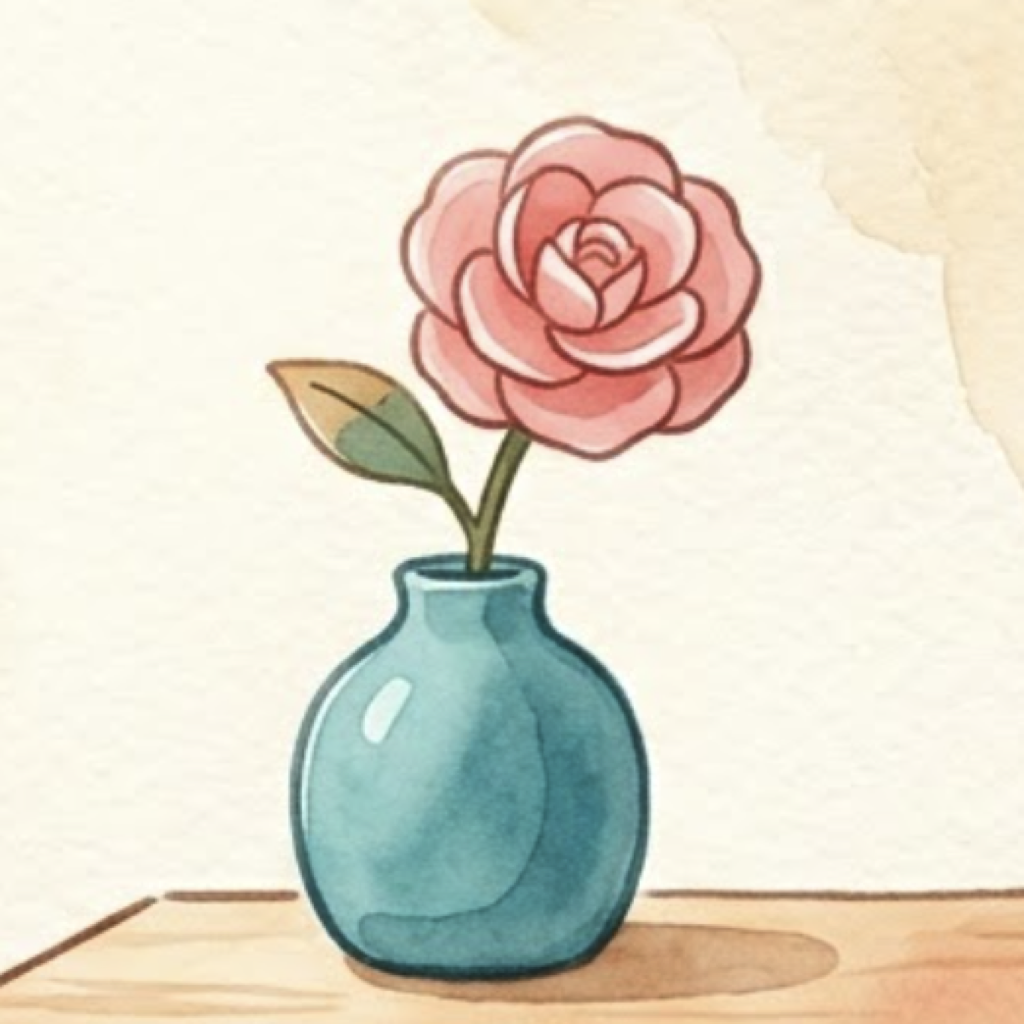
Lathyrus odoratus
Sweet Pea Meaning: Blissful Pleasure, Thank-Yous, and the Loveliest Goodbye
July 27, 2026 · 2 min read
The sweet pea is the flower equivalent of a perfect short visit. It arrives in ruffles and pastel, smells like honey and orange blossom decided to collaborate, stays briefly, and leaves you wanting more. The Victorians — who assigned it delicate pleasure and departure — essentially defined it as the flower of lovely things that don't overstay. No bloom has ever been more honestly named or more honestly meant.
What the sweet pea symbolizes
The core meanings are blissful pleasure, gratitude, and kind goodbyes. In the Victorian language of flowers the sweet pea said "thank you for a lovely time" — it was the bouquet you sent after a dinner party, the floral equivalent of a well-written thank-you note. Its second meaning, departure, made it the flower for farewells without grief: leavings that are sweet because the thing being left was.
Japanese hanakotoba agrees with striking precision: the sweet pea means departure there too, its butterfly-shaped petals read as a bloom about to take flight.
The sweet pea is also the birth flower of April, sharing the month with the daisy (see the full birth month flowers guide).
A monk, a Scot, and a mania
The sweet pea's career began in 1699, when a Sicilian monk named Francisco Cupani mailed seeds of a small, intensely fragrant wildflower to England. It stayed a botanist's curiosity until the late Victorian era, when Scottish nurseryman Henry Eckford spent decades breeding it bigger, rufflier, and more colorful — creating the "grandiflora" sweet peas that turned the flower into a phenomenon.
By the Edwardian years the sweet pea was the fashionable flower — called "the queen of annuals," heaped at society weddings, given its own national society and shows. Edwardian England's soft-pastel aesthetic and the sweet pea were essentially the same project in different media.
The scent that named it
Odoratus is the operative word. Sweet peas carry one of the great garden perfumes — honeyed, fresh, somewhere between orange blossom and rose — and unlike most flowers, they were named for it directly. The cruel modern twist: some showy cultivars traded scent for size, so the old-fashioned varieties (Cupani's original among them, still sold) remain the connoisseur's pick. A jam jar of mixed sweet peas can scent a room; it is the most luxury available for the least effort.
Two practical notes: keep cutting — like the dahlia, the sweet pea blooms more the more you harvest — and keep them out of reach of snacking; despite the name, sweet pea seeds are not edible.
When to give sweet peas
- As a thank-you: the flower's original job, and still nothing does it better.
- For a goodbye you want to keep gentle — a move, a graduation, a last day at work.
- For an April birthday, in a fistful of mixed pastels.
- To a host, after: thank you for a lovely time, in the original language.
The sweet pea flutters through Bloomette, our hand-painted flower studio for iPhone — ruffles, scent-lore, and its story of sweet departures in the Flower Corner. Its April partner is the daisy, a cheerful next read.