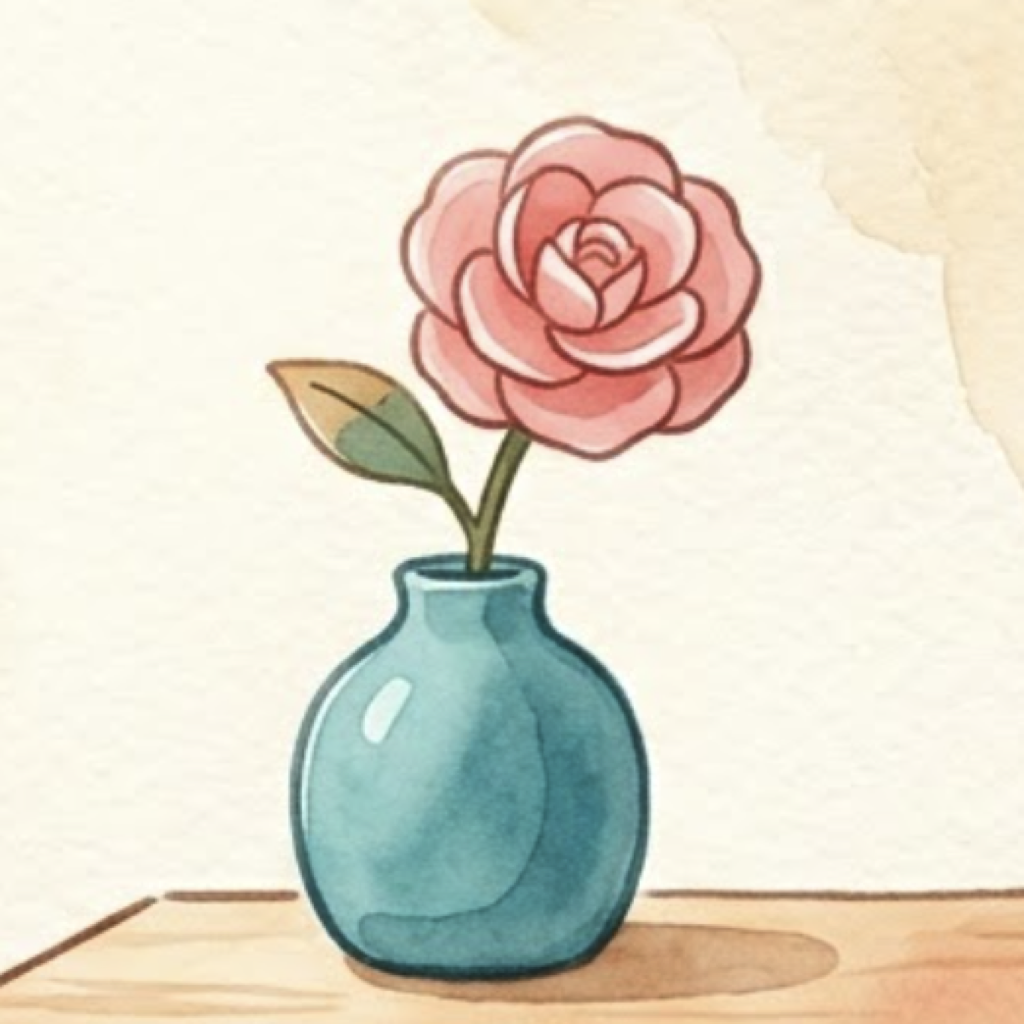
Papaver rhoeas
Poppy Meaning: Remembrance, Sleep, and the Flower of Flanders Fields
July 19, 2026 · 3 min read
The poppy has the strangest double life in the flower world. It is at once the flower of sleep — soft, drowsy, papery petals that drop at a touch — and the flower of remembrance, worn on millions of coats every November for the war dead. One flower, holding both the gentlest thing we do and the gravest thing we've done. The link between the two is a single field in Belgium.
What the poppy symbolizes
The core meanings are remembrance, sleep, peace, and consolation — with imagination thrown in by the Victorians, who saw something dreamlike in that crumpled silk texture. The poppy shares August with the gladiolus as a birth month flower.
By color:
- Red poppy — remembrance and sacrifice in the West; in Japanese hanakotoba, more cheerfully, fun-loving.
- White poppy — sleep, peace — and since 1933, a pacifist remembrance emblem in Britain.
- Orange-gold poppy — the California poppy, state flower and shorthand for sunny optimism; whole hillsides of it produce the famous "super bloom."
- Purple poppy — worn in remembrance of the animals that served in wartime.
The flower of sleep first
Long before Flanders, the poppy belonged to the night. The opium poppy (Papaver somniferum — literally "sleep-bringing") gave the ancient world its strongest sedative, so Greek and Roman gods of sleep and dreams — Hypnos, Morpheus — are shown crowned with poppies. Morpheus's poppies even survive in modern vocabulary: morphine.
Demeter, in Greek myth, was given poppies to help her sleep through her grief while searching for her daughter Persephone — which is why the poppy also carries consolation: the flower for rest that grief won't otherwise allow. Dorothy and company falling asleep in the poppy field in The Wizard of Oz is the same old symbolism, in Technicolor.
Flanders, 1915
The red corn poppy is a flower of disturbed ground — its seeds can wait in the soil for decades, sprouting only when the earth is churned up. In the spring of 1915, the churned earth of the Western Front produced an unbearable sight: battlefields and fresh graves covered in red.
Canadian army doctor John McCrae, after burying a friend near Ypres, wrote "In Flanders Fields" — "In Flanders fields the poppies blow / Between the crosses, row on row." The poem crossed the Atlantic, and by 1921 the red poppy had been adopted as the official flower of remembrance in Britain, Canada, Australia, and beyond. Every paper poppy pinned to a lapel in November descends from that one poem — a flower that grows from broken ground, chosen to stand for the people buried in it.
Petals like crumpled silk
Even without its history, the poppy would be worth staring at. The buds hang upside down like closed fists, then swing upright and shed their two hairy sepals to unfurl petals that look ironed-then-crumpled — Impressionists couldn't leave them alone, and Monet's Poppy Field is essentially a national landmark of the color red. The bloom lasts barely a day or two; the poppy has never pretended otherwise. Its glass-brief life is part of the meaning.
When to give poppies
- In memory — for veterans, for anniversaries of loss, for the people we promised not to forget.
- For consolation: the historical flower for grief that needs rest, a gentler companion to the sympathy flowers guide.
- For an August birthday, alongside gladiolus.
- For a dreamer — the Victorians' imagination reading is due a revival.
The poppy keeps its papery vigil in Bloomette, our hand-painted flower studio for iPhone — one day of bloom, a long memory, and its story in the Flower Corner. Its fellow flower of remembrance is the forget-me-not, a natural next read.