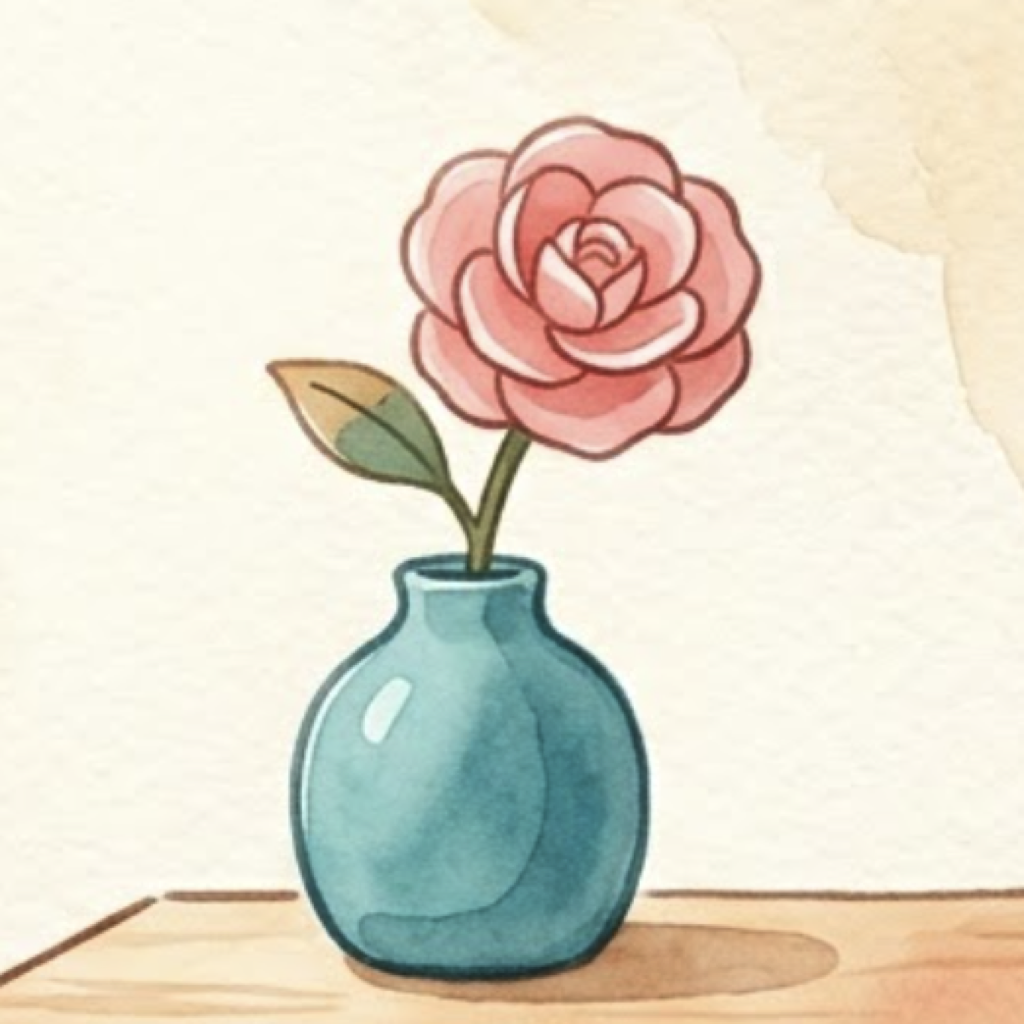
Paeonia
Peony Meaning: Romance, Riches, and a Little Bashfulness
May 28, 2026 · 3 min read
For about two weeks a year, the peony makes every other flower look underdressed. The buds sit like closed fists — tight, unpromising marbles — and then unfold into blooms so full they seem to be showing off on purpose. Brides plan wedding dates around that fortnight. Florists take deposits for it.
A flower this abundant was never going to end up with a modest meaning.
What the peony symbolizes
The peony's core meanings, consistent across most traditions:
- Romance and married love. The peony is the wedding flower and the official bloom of the 12th wedding anniversary — love that has filled out, layer over layer.
- Prosperity and honor. In China the peony is the "king of flowers" (牡丹, mǔdān), painted on porcelain and embroidered on robes for over a thousand years as an emblem of wealth, rank, and good fortune. It shares that duty with a few other blooms — see our flowers of luck and prosperity.
- Bashfulness. The oddest entry on the list, and the oldest — from the way the petals hide the flower's center, and from a myth we'll get to.
- Compassion, in some readings — a flower generous with itself.
Two origin myths, both slightly embarrassing
The peony collected its meanings from two Greek stories:
Paeon the healer. Paeon was a student of Asclepius, god of medicine, who cured Pluto with a milky root — and so outshone his teacher that Asclepius, in a fit of professional jealousy, planned to kill him. Zeus rescued Paeon the only way gods know how: by turning him into a flower. The peony's botanical name, Paeonia, remembers the student who healed too well. For centuries the plant was medicine first and ornament second.
The nymph Paeonia. In the other story, a nymph caught Apollo's attention, noticed Aphrodite noticing, and blushed so deeply she was turned into the flower. That blush is the "bashfulness" in every Victorian dictionary — and supposedly why so many peonies open pink.
Meaning by color
- Pink peony — romance in its classic key; the bridal default and the anniversary flower.
- White peony — bashfulness and apology. The traditional peony for I'm sorry — softer than words, harder to argue with.
- Red peony — honor, respect, and prosperity; the most Chinese of the shades, and the one for celebrating someone's success.
- Coral peony — newer varieties like 'Coral Charm' have taken on a meaning of their own: energy and good fortune arriving.
Luoyang and the empress
China's peony devotion has a capital: Luoyang, which has grown peonies since the Sui and Tang dynasties and still holds a festival every April. The famous legend says the Tang empress Wu Zetian, in winter, ordered every flower in the garden to bloom by morning. All obeyed except the peony — which was exiled to Luoyang for its defiance, where it bloomed more magnificently than ever. The peony has been the flower of dignified stubbornness ever since. It's a plant that backs the story up: peonies resent being moved, and a well-sited one can outlive the person who planted it — a century is not unusual.
When to give peonies
- A wedding, an engagement, a 12th anniversary — pink, and plenty.
- An apology with some weight behind it — white.
- A promotion, an opening, a graduation — red, the honor shade.
- Any June birthday within reach of peony season: it beats a card.
The peony's meanings — riches, romance, a blush — are exactly the kind of folklore the Flower Corner in Bloomette was built to collect. It's a cozy hand-painted flower studio for iPhone: arrange a bouquet, learn what it whispers, five quiet minutes at a time.