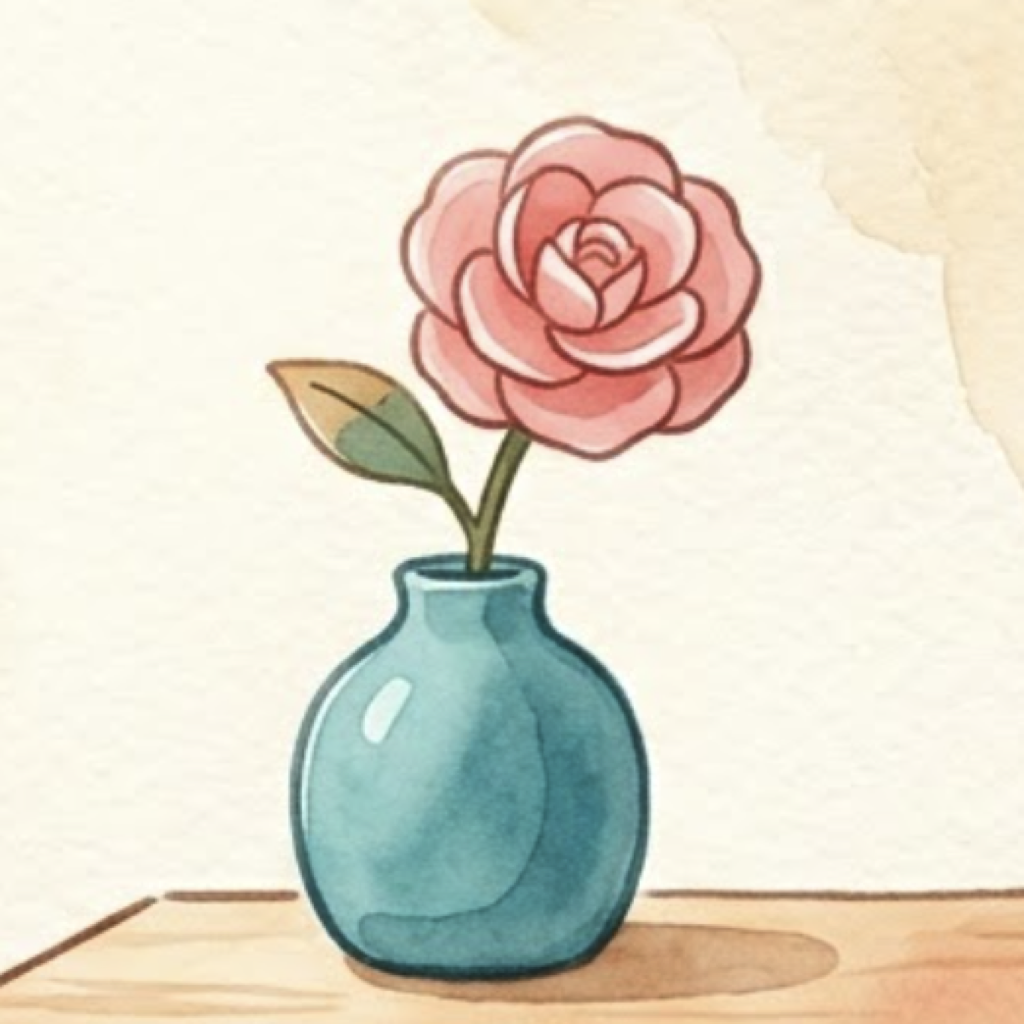
an auspicious bouquet
8 Flowers That Symbolize Luck and Prosperity
June 19, 2026 · 3 min read
Every culture has flowers it plants, gifts, or paints on doorways when it wants good things to happen. Some of the associations come from wordplay, some from mythology, some from the simple logic that a plant which thrives must know something about thriving. If you want a bouquet that wishes someone well in the oldest sense, these are the blooms to know.
1. Peony — wealth with petals to spare
In China the peony is the fuguihua, the "flower of riches and honor," painted on porcelain and silk for a thousand years. The logic is right there in the bloom: layer upon layer of petals, abundance you can count. A peony by the front door is traditional feng shui for inviting prosperity in.
2. Chrysanthemum — long life, well lived
The chrysanthemum blooms late, into autumn frost, and East Asian tradition read that as a lesson: endurance, integrity, a life that stays golden into its later chapters. In Chinese custom it's one of the "Four Gentlemen" of flowers; gifted gold chrysanthemums carry wishes of longevity and lasting fortune.
3. Marigold — the sun, pocket-sized
Marigolds hold gold in their name in several languages. Across India they're the auspicious flower — strung into garlands for weddings, festivals, and new ventures because their color is the color of the sun and of turmeric, both sacred. A business opening without marigolds is barely open.
4. Camellia — prosperity that keeps its head down
The white camellia in particular carries a good-luck meaning, and in Chinese New Year traditions camellias stand for the arrival of spring and fortune. It's the quiet member of this list — prosperity as steadiness rather than splash. (The camellia has a rich second life as a flower of devotion; we wrote about it here.)
5. Orchid — refinement that attracts fortune
Orchids symbolize abundance of a particular kind: many blooms on one stem, unfolding one after another — fortune that keeps arriving. In feng shui they're placed for fertility and career luck; in ancient Greece, orchids were tied to virility and were consulted, oddly, on the sex of unborn children.
6. Sunflower — loyalty to the light
The sunflower's habit of tracking the sun made it a natural emblem of optimism and good harvests. In Chinese tradition sunflowers are given at graduations and business openings: may you always face the bright side, and may the bright side pay.
7. Hydrangea — abundance, one stem at a time
A single hydrangea head is a hundred small flowers — the most literal abundance in the garden. Purple hydrangeas especially carry the meaning of prosperity and deep understanding. (Though the hydrangea has a complicated résumé — its full story is here.)
8. Lucky bamboo — not a flower, always invited
No prosperity list escapes it: Dracaena sanderiana, which is neither bamboo nor flowering, but which feng shui tradition counts by the stalk — three for happiness, five for wealth, eight for growth. Give an even-numbered arrangement and count your stalks first; four is the one number to avoid, sounding like "death" in Chinese.
Composing a prosperity bouquet
Pick one anchor (peony or hydrangea), one solar note (marigold or sunflower), and something evergreen for endurance. Then say the wish out loud when you hand it over — every tradition on this list agrees the words are part of the spell.
In Bloomette, finished bouquets whisper their own meanings — one of them, as it happens, speaks of prosperity. It's a cozy hand-painted flower studio for iPhone: five quiet minutes, a vase, and a little good fortune arranged by hand.