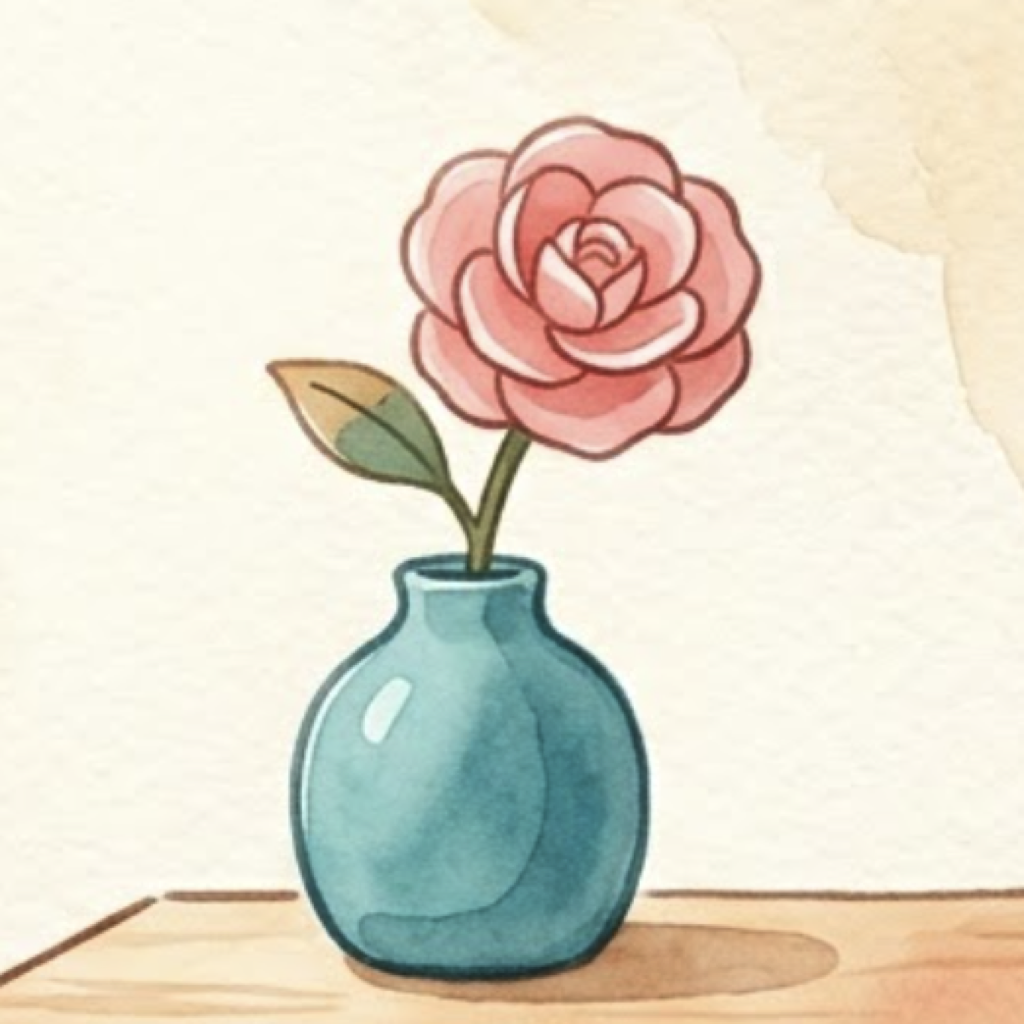
Anemone coronaria
Anemone Meaning: Anticipation, Windflowers, and the Bloom from a Myth's Worst Day
July 29, 2026 · 3 min read
The anemone spends a lot of its life closed. The petals shut at night and clamp down before rain, opening again when the light and the odds improve — and the Victorians, watching a flower that behaved like someone waiting for better news, gave it the meaning it still carries: anticipation. It is the flower of not yet, but soon — which may be the most quietly hopeful assignment in all of floriography.
What the anemone symbolizes
The core meanings are anticipation, protection, and fragile, fleeting love. The name comes from the Greek anemos, "wind" — the windflower, because the blooms open, tremble, and lose their petals to the spring winds, sometimes all in the same week. Greek tradition said the wind itself opened the flowers.
By color:
- Red anemone — love that was lost — the myth below explains the price tag.
- White anemone — sincerity — and in East Asian traditions, a flower of remembrance for the dead.
- Purple anemone — protection from evil: European folk custom held that anemones warded off misfortune, and peasants carried the blooms as charms.
- Blue anemone — mutual trust, the rarest and calmest of the family.
The dramatic modern varieties — white petals around a near-black center — have made the anemone a wedding-bouquet star: innocence with an inkwell in the middle.
Adonis and the red anemones
The anemone's origin story is one of mythology's saddest afternoons. Adonis — the mortal so beautiful that Aphrodite herself loved him — was gored by a wild boar while hunting. As the goddess held him, her tears (or his blood; tellings differ, and some romantics insist on both) fell to the ground, and red anemones sprang up where they landed.
So the windflower became the emblem of love that ends too soon — a flower born already grieving, blooming briefly, scattered by the first hard gust. The Greeks noted the poetry: the anemone's bloom really does last only days, and wind really does take the petals. Rarely have myth and botany agreed so completely.
The flower that forecasts
The anemone's habit of closing before rain made it a folk barometer: shepherds read shutting anemones as weather coming. The mechanics are honest — the petals respond to temperature and humidity, protecting pollen from the wet — but the effect is a flower that appears to brace itself, then reopen. It's easy to see how "anticipation" stuck. This is a bloom with visible feelings about the future.
Anemones repay the drama in the vase, opening wide in warm rooms and closing slightly at night — a cut flower that stays a little bit alive in its manners. (Care basics live in how to make flowers last longer.)
When to give anemones
- For someone waiting on news — results, offers, verdicts: the official flower of soon.
- For protection, by the old folk logic: purple anemones for a new home or a departure.
- In memory of a love cut short — the red windflower has carried that weight since Adonis.
- In a wedding bouquet, where the black-eyed white varieties out-chic almost everything.
The anemone opens and closes on its own schedule in Bloomette, our hand-painted flower studio for iPhone, with the Adonis story kept in the Flower Corner. Another bloom that walked out of Greek myth is the iris — the messenger flower, and a fitting next read.